Alpabetical Listing of Wine Terms
Acid
A key element of wine present in all grapes. When acid is balanced, wine is fresh and has a long life. Wines low in acidity taste flabby.
Age
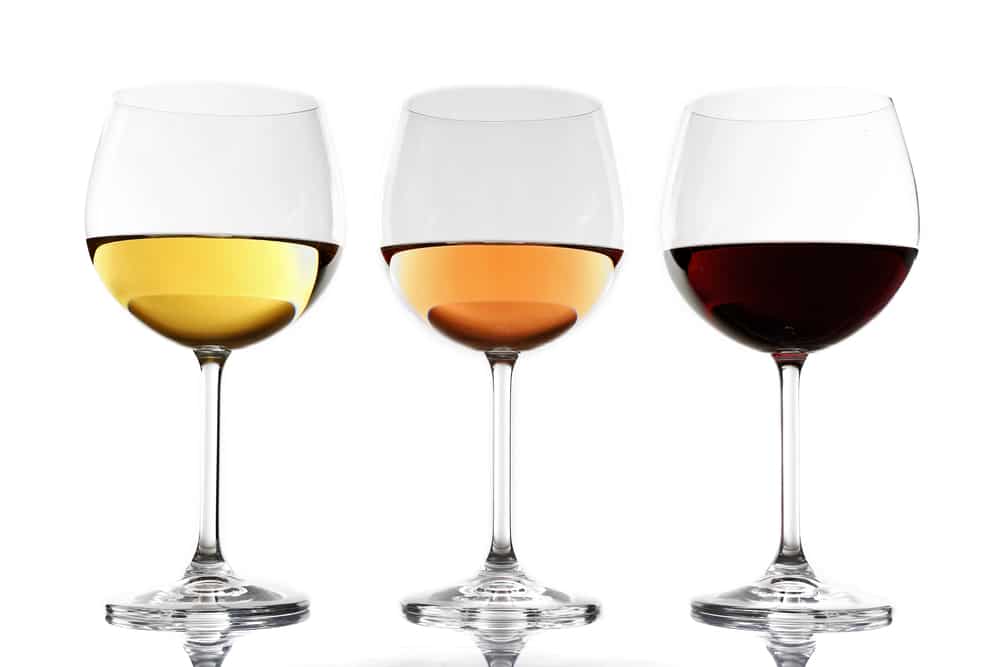
The process of maturing in wines. As white wines age, they turn to a golden amber color. Reds usually begin with a purple tone, turning to a deep red brick red color depending on the grape.
Alcohol
Alcohol is the natural by-product of fermentation. It is one of the main components of taste along with acids, residual sugar and tannin.
American Viticultural Area (AVA)
When a AVA is designated on a wine label, 85% of the grapes used to make that wine must have come from that AVA. If a non-AVA Appellation or region is designated on a wine label, at least 75% of the grapes must come from that area.
Anthocyanin
One of the phenolics present in wine is the red and blue pigments found in the skins of dark grape varieties.
Aroma
What gives a wine its distinctive “nose” or “bouquet.”
Astringent
High tannic acid content giving a furry mouth puckering sensation.
Appellation (app-el-ay-shun)
The region where a specific grape is grown. Geography and climate combine to produce flavors and style characteristics, which are unique to a region.
Bouquet (boo-kay)
The combination of aromas from wine generally including the more complex scents of bottle aged wine.
Breathe
When wine is poured from the bottle into another container, such as a wineglass or carafe, it mixes with air, releasing aromas which become more pronounced as time passes. Well made, young wines will improve and “open up” with an hour or more to breath.
Buttery
The buttery taste of a white wine that has gone through malolactic fermentation, usually found in Chardonnay wine.
Balance
All elements of a wine are in harmony, with no one element dominating. Acid is balanced against the sweetness, fruit is in balance with oak and tannin, and alcohol is balanced against both acidity and flavor.
Blending
The art of mixing different wines to create a better overall wine.
Blind tasting
Wine tasting term for tasting wine from bottles with their labels hidden.
Blush wine
Light, slightly sweet or sometimes dry wine, either white or rosé, made from dark skinned grapes.
Bottle-aging
Maturing a wine in the bottle as opposed to a tank or barrel. Some wines may improve in the bottle for ten or more years.
Case
12 (750 ml) bottles of wine.
Cedar
The term denoting the woody aromas found in red wines.
Chambrer
A term describing opening a bottle of wine so it can come into contact with the air and reach room temperature. From the French meaning “Allow to breathe.”
Citrusy
An aroma and flavor of citrus fruits, often of grapefruit, generally found in white wines made from grapes grown in cooler regions of California.
Clarification
The process of clearing a wine that involves binding cloudy substances and particles, which then settle on the bottom, becoming sediment.
Clone
The offspring of grape vines that contains the genetic material of the parent. There are many clones with different characteristics for each grape variety.
Cloudy
Opposite of clear and considered a fault in wine.
Complexity
When a wine is rich, deep in flavors, nuanced and well balanced.
Corked
A cork may become contaminated with TCA and impart the taste of cork on the wine. Screw caps and synthetic corks have fewer TCA contamination problems.
Creamy
Refers to the silky taste of wines, usually white, that are subjected to malolactic fermentation as opposed to the tart or crisp flavors found in wines that are made without this process.
Crisp
A term used when wine has a pronounced but pleasing tartness or acidity. Generally used to describe white wine.
Crush
The season when the grapes are harvested and made into wine.
Cuvée (coo-vay)
A term for the initial pressing of the grapes. Also a term for a blend of high-quality wines.
Decanting
Pouring wine slowly from the bottle into a carafe, which adds oxygen and separates the wine from the sediment.
Dry
A term meaning the lack of sweetness in a wine. However in Champagne it denotes a sweeter wine.
Enology
The science of wine production. Also spelled Oenology
Fermentation
The process of winemaking that turns the sugar in the grapes into alcohol and carbon dioxide.
Fining
The process of clearing a wine that involves binding cloudy particles, which then settle and becoming sediment. Same as clarification.
Flat
A wine-tasting term denoting very low acid wine and lacking flavor.
Flavones
One of the phenolics found in wine are the yellow pigments in small amounts in all pale and dark skinned grape varieties.
Flinty
A stone or mineral like character used often to describe French Chablis and Sauvignon Blanc.
Floral
A wine-tasting term indicating the aroma or taste of flowers, mostly used to describe white wines.
Forward
Wine-tasting term indicating fruitiness in a wine and is ready to drink.
Fresh
Describes the lively fruity acidity of a good young wine.
French Oak
The classic wood flavors of vanilla and cedar that come from wine stored in wood barrels. Different French forests impart slightly different characteristics to the wine.
Full-bodied
A wine-tasting term denoting a wine that fills the mouth and palate.
Glycerin
A natural by-product of the fermentation process, giving wine a sweet taste on the tongue, and a smooth sensation in the mouth.
Grassy
The taste of fresh hay frequently found in Sauvignon Blanc.
Herbaceous
The smell or taste of herbs found in Cabernet Sauvignon and Sauvignon Blanc.
Late Harvest
Wines made from grapes harvested later than normal with higher sugar levels.
Lees
The sediment remaining in the tank or barrel after fermentation.
Legs
Swirling a wineglass filled with wine will produce rivulets, arches or legs.
Maceration
Part of the fermentation process where grape skins, seeds and stems are steeped for hours or weeks before pressing. The process extracts color, tannin and aromas into the must.
Maderized
A wine that shows signs of oxidation, including a brown color and stinky nose.
Mash
The pulp of the grape, including skins and seeds, that settles in a fermentation tank or barrel.
Meritage
Combining the words “merit” and “heritage,” a blend made from several varieties of quality grapes, usually the Bordeaux varietals- Cabernet Sauvignon, Merlot, Cabernet Franc, Petite Verdot and Malbec.
Méthode Champenoise
The time-consuming, secondary fermentation process that takes place inside the bottle to create sparkling wine. Developed in Champagne France.
Must
Raw, unfermented, grape juice.
Noble Rot
Botrytis Cinerea. A fungus or mold that causes grapes to shrivel and the grape sugars and acids to become concentrated. Excellent honey flavored dessert wines are made from these grapes.
Nouveau
A tradition in Beaujolais France where wines are fermented quickly, bottled and rushed to market for the Fall and Winter holidays.
Non-vintage
A blend of multiple harvests.
Nose
The overall scent of a wine.
Oenology
The science of wine production. Also spelled Enology
Oxidation
The result of too much oxygen in the wine, causing color change and loss of freshness.
pH value
A chemical measurement of the intensity of acidity in a wine. Low pH wines have more intense acids and are better candidates for aging.
Phenolics
Substances extracted from grape skins that provide the color and texture for red wine, specifically, anthocyanins, flavones and tannins.
Pressing
The process which separates the grape solids from the juice.
Punt
The name of the indentation found in the bottom of many wine bottles.
Racking
A natural and less disturbing clarification process that removes sediment by transferring the wine from one container to another until it is clear.
Residual sugar
The natural sweetness of a wine, produced from the sugar not converted to alcohol during fermentation. Dry wines have little of no residual sugar while dessert wines can have 10% or more.
Rosé
Pink wine, usually fruity and made from black grapes with little skin contact, or from a blend of red and white wines.
Sediment The accumulation of tannins and picment deposits on a bottle of wine can be removed by decanting.
Solera
System for making brandies, sherry, port and other fortified wines that ensures the same quality year after year.
Sommelier (soh-mal-lee-ay)
French term for a professional wine server.
Stabilization
A condition after fermentation where the wine has all the undesirable sediment removed and is clear in the bottle.
Sulfites
A derivative of sulfur and natural by-product of fermentation. Also used to clean and sterilize wine making equipment and to prevent wine from browning. Wines with over 10 ppm must state “contains sulfites” on the label.
Tannin
Provides the astringent mouth puckering effect in wines that is important in the aging of red wines. Tannin decreases as wine ages allowing the more subtle flavors of the wine to emerge.
Tartrates
The natural and harmless crystals that often form in barrels, bottles and on the cork. The safe glass like deposits are from tartaric acids present in the wine.
Taste
Four basic tastes detected by the tongue - sweet, salty, sour and bitter.
Terroir
This is a French term for the characteristics of the wine grape that result from all the environmental influences specific to where it was grown. The terroir is a connection between the final product and all the factors that influenced it.
Varietal (Vah-rye-ah-tall)
The grape variety used to make wine. In Europe, wines are usually named after the region in which the grapes are grown (i.e. Bordeaux, Chianti, Burgundy). Elsewhere, wines are usually labeled with the name of the grape variety that the wine is made from (i.e. Cabernet, Chardonnay, etc.).
Vegetal
The smell or taste of green vegetables that can detract from a wines taste if too intense.
Veraison (ve-ray-zon)
When the red grapes turn color and white grapes become translucent. This is the phase of growth where the sugar begins to form.
Vinification
The production of wine from the harvest to the bottling.
Vintage
A term referring to the year in which the grapes were grown. Also can denote a wine from an exceptional year.
Vintage date
Refers to the year the grapes were harvested. Most wine regions require that at least 95% of the wine contain grapes harvested from that year.
Viticulture
The science of growing grapes.
Wine-tasting
How soil, climate, and weather affect different varieties of grapes, and how those factors are manifested in the taste of the wine. Wine-tasting breaks down into four basic steps:
1. Color and clarity of the wine
2. Smell which is referred to as aroma or the “nose”
3. Taste
4. Aftertaste
Tasters use specific words and phrases such as “buttery”, “cedar”, “crisp,” “creamy,” and “bright” to describe their perceptions of the wine. These words and phrases describe the subtle flavors of the wines that differentiate one from the next.
Yeast
Micro-organisms responsible for fermentation- converting sugar to alcohol and carbon dioxide. Yeasts naturally occur on grape skins though most winemakers used cultured yeasts for winemaking.
Yield
The amount of grapes produced from a particular vineyard.